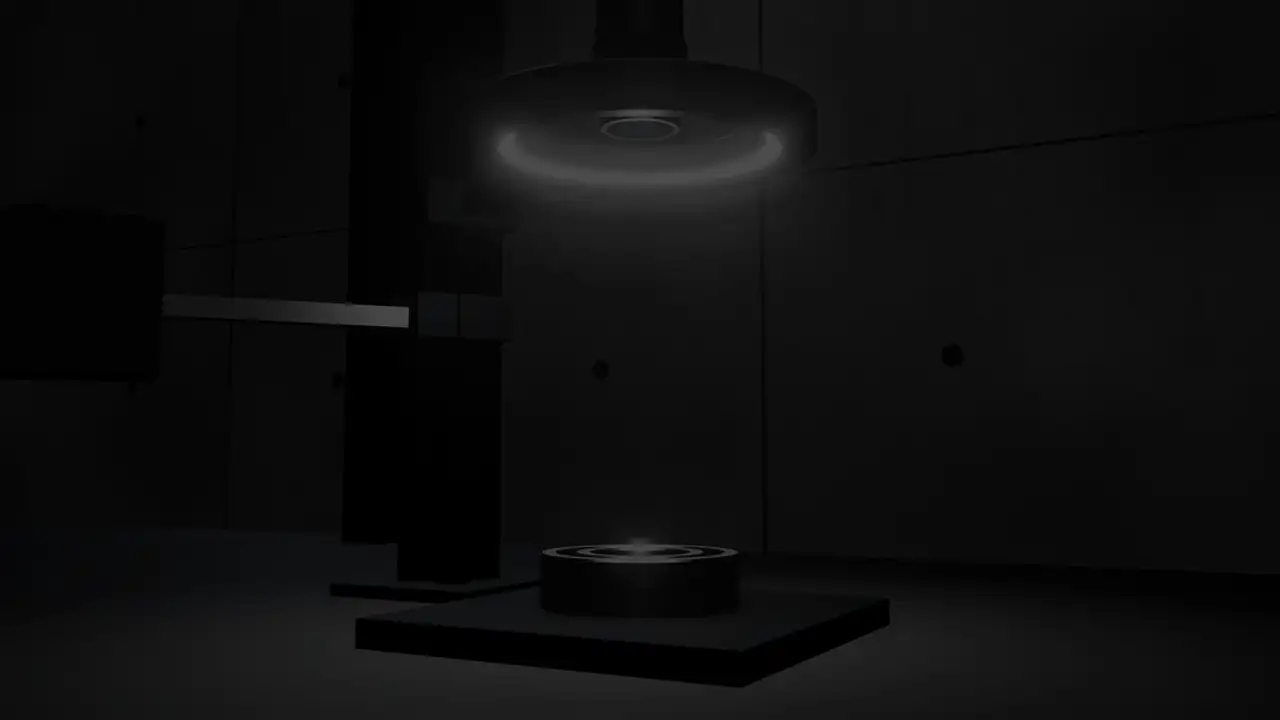
This bench needs WebGL 2. Open the page in a current desktop or mobile browser to try the lights.
Put a part on the bench
Machine vision lightingMake the defect the brightest thing in the frame.
Machine vision lighting, designed and built in Mumbai. Put a part on the bench and change the light.
suits the part on the bench
One part, six lights.
The same part under the same camera. Only the light changes. The pictures below are taken from the bench above, so change the part and they change with it.
Seven families. Pick by the defect, not the catalogue.
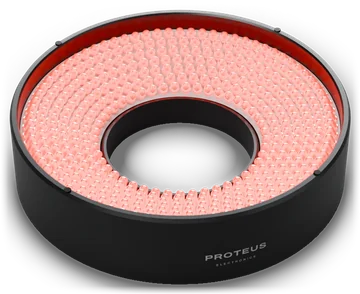 CometBar lightHomogeneous, directional illumination.W R G B
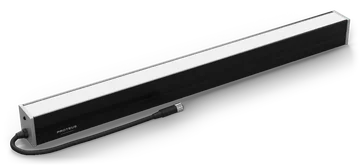 QuasarCo-axial lightDiffused light on the camera axis.W R B
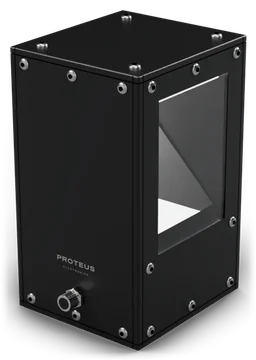 NebulaBacklightSilhouettes for edge detection.W R G B
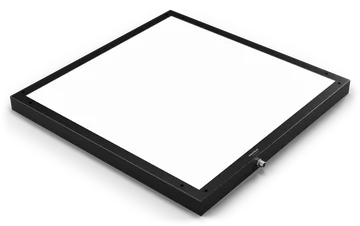 AuroraDome lightEven diffused light at high lumen output.W R G B
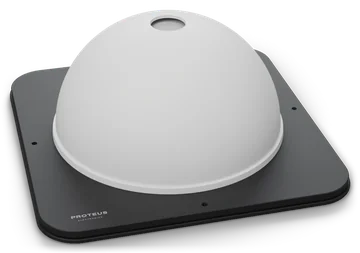 CeresArea lightMedium-to-large fields of view.W R B
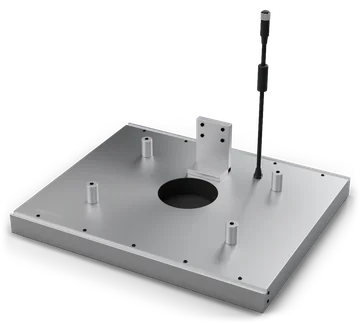 StellarSpot lightFocused, high-intensity spots.W R B
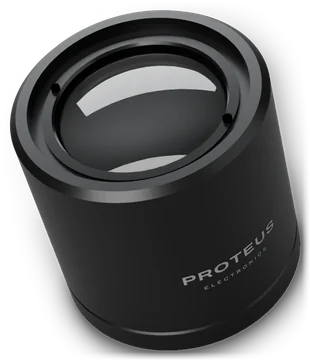
Application notes.
Inspection problems we are asked about most, and the light that solves each one.
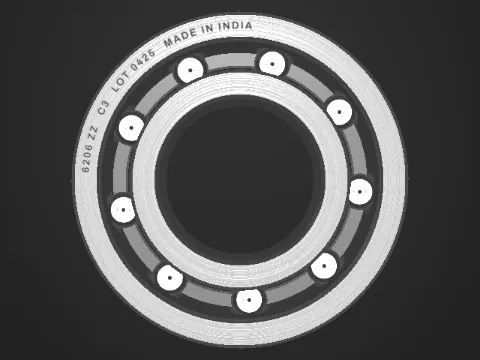
Dome
Reading engraving on curved, shiny partsUse a dome light.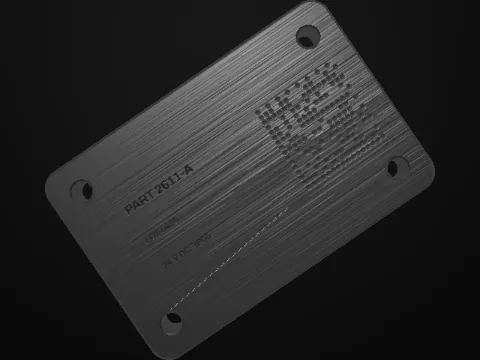
Dark field
Reading dot-peened 2D codes on metalUse dark-field lighting: a low-angle ring light placed close to the part.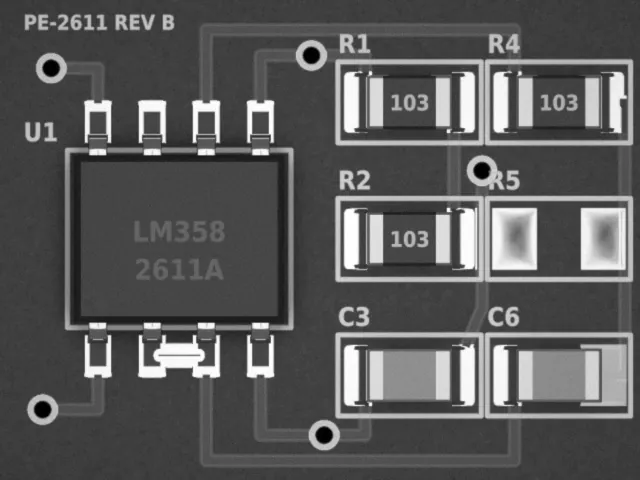
Dome
Inspecting solder joints and components on PCBsUse a dome light.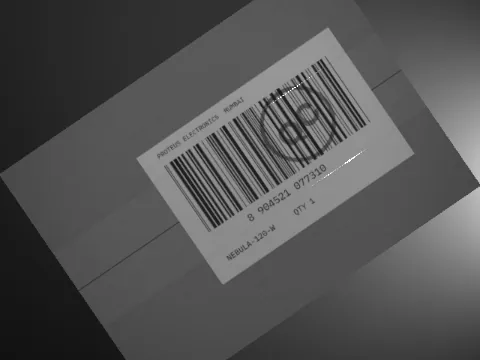
Directional
Reading barcodes and labels under glossy film or tapeLight from the side with a bar light, at an angle that sends the mirror reflection from the film away from the lens..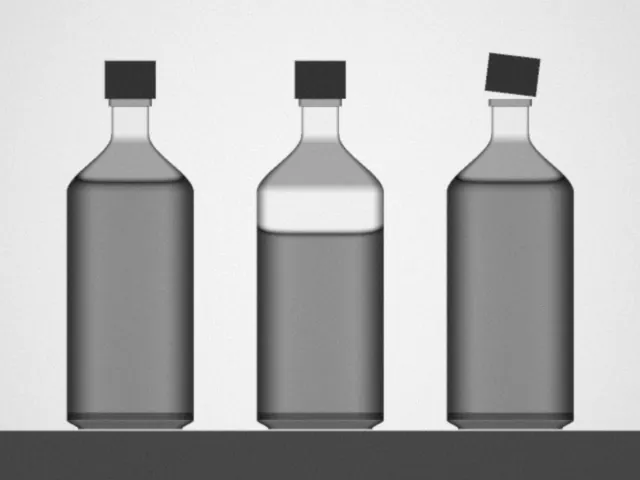
Backlight
Checking fill level and caps on bottles and jarsUse a backlight behind the bottles.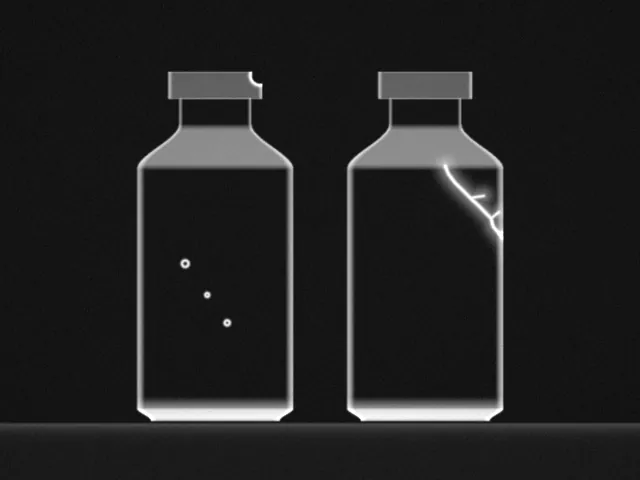
Dark field
Finding cracks and chips in glass vialsUse dark-field lighting: light the glass from a low angle against a black background.
The machine vision lighting guide.
Bright field and dark field, the eight lighting techniques, choosing the colour of the light, polarisation, strobing and room light: everything that decides whether the camera sees the defect, on one page.
Illumination is the variable the algorithm cannot fix.
Cameras, lenses and vision software have converged, but performance still depends on the photons reaching the sensor. We treat lighting as a design problem, tuned per part, per defect and per working distance. The result is inspections that hold up in production.
Tell us what you need to see.
Describe the part, the defect and the working distance. An engineer replies with the light, or designs one.