Machine vision lighting applicationsWhat do you need to see?
Sixteen inspection problems, from engraved bearings to cracked vials. Each note shows what the camera sees under the wrong light and the right one, and explains why.
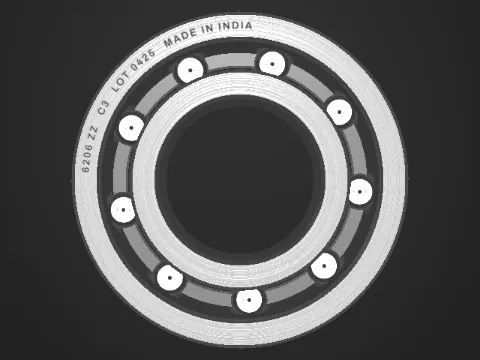
Dome
Reading engraving on curved, shiny partsUse a dome light.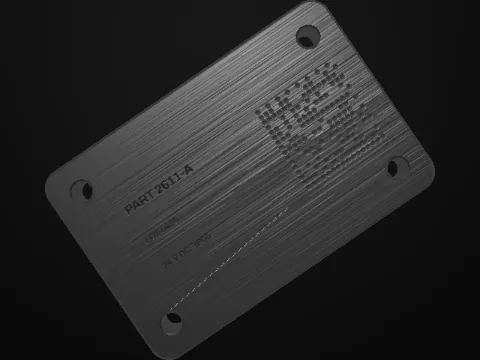
Dark field
Reading dot-peened 2D codes on metalUse dark-field lighting: a low-angle ring light placed close to the part.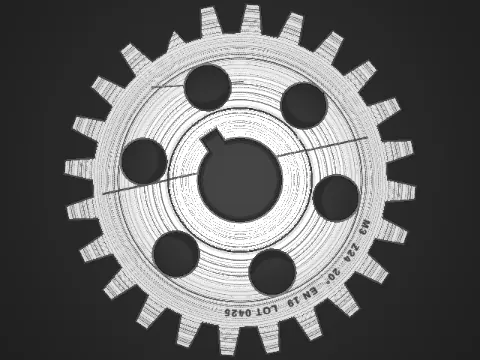
Co-axial
Finding scratches and dents on ground or polished facesUse a co-axial light.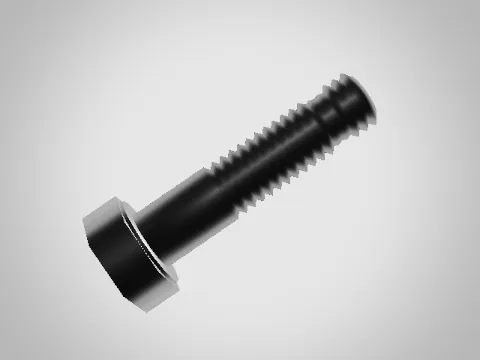
Backlight
Inspecting threads, profiles and gear teeth with a backlightUse a backlight.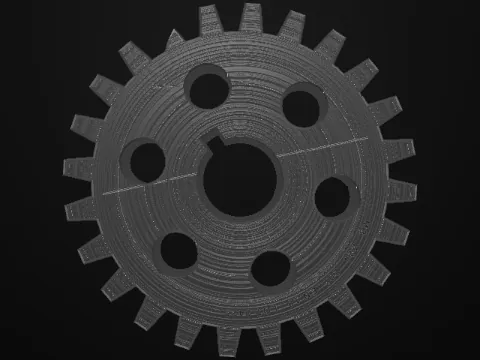
Dark field
Finding burrs and chipped edges on machined partsUse dark-field lighting: a low-angle ring light close to the part, or bar lights from the sides.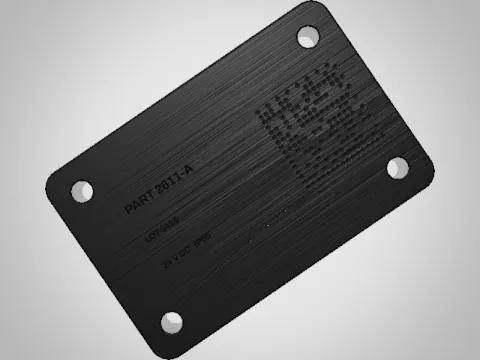
Backlight
Checking holes and slots on stamped and machined partsUse a backlight.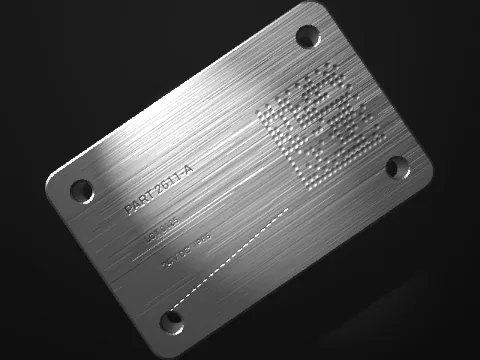
Spot
Picking out one feature with a spot lightUse a focused spot light.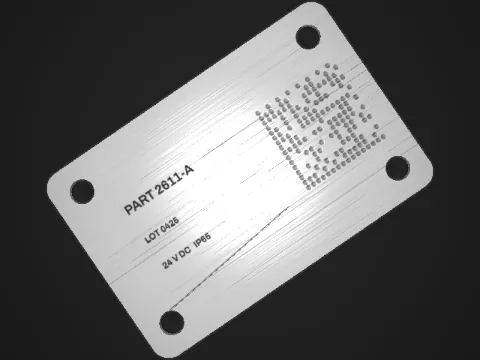
Co-axial
Reading laser marks on flat metal and plastic partsUse a co-axial light on smooth, flat faces.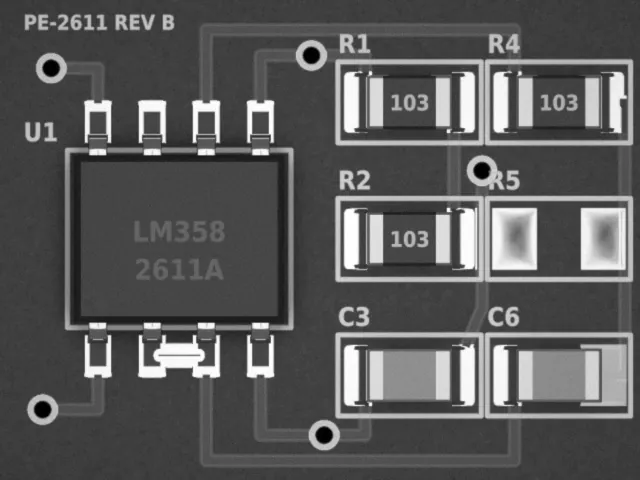
Dome
Inspecting solder joints and components on PCBsUse a dome light.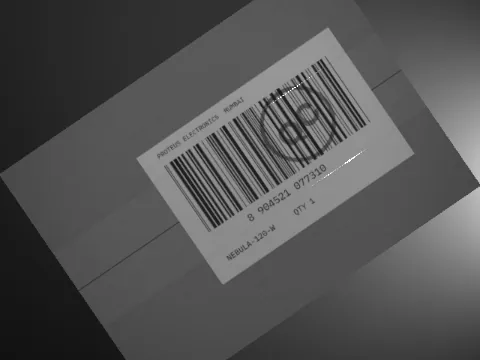
Directional
Reading barcodes and labels under glossy film or tapeLight from the side with a bar light, at an angle that sends the mirror reflection from the film away from the lens..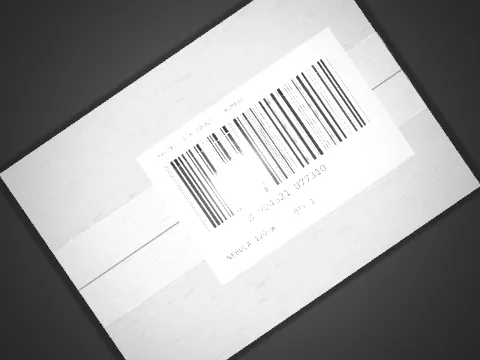
Bright field, red
Using coloured light to hide or highlight printLight the part in the same colour as the print you want to hide, or in the opposite colour to make it stand out.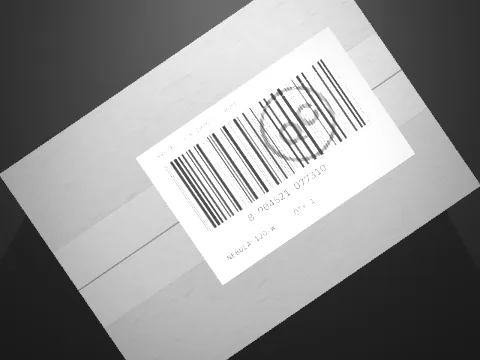
Area
Lighting large fields of view evenlyUse a broad area light at an angle, or a pair of them.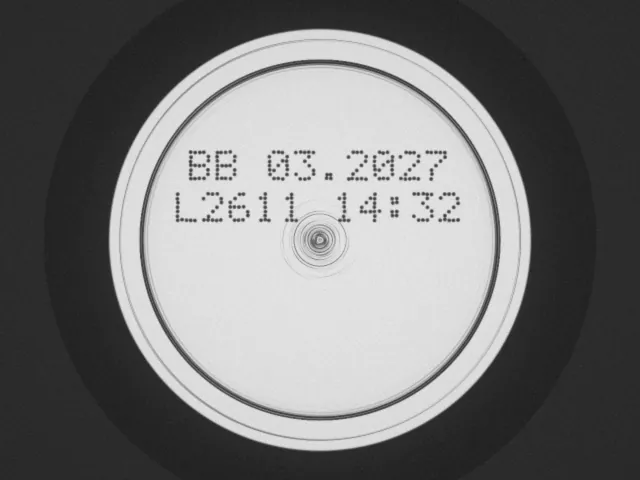
Dome
Reading date and lot codes on can ends and capsUse a dome light.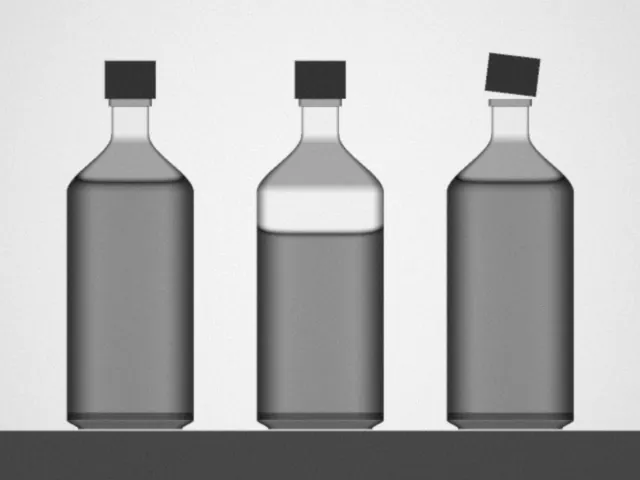
Backlight
Checking fill level and caps on bottles and jarsUse a backlight behind the bottles.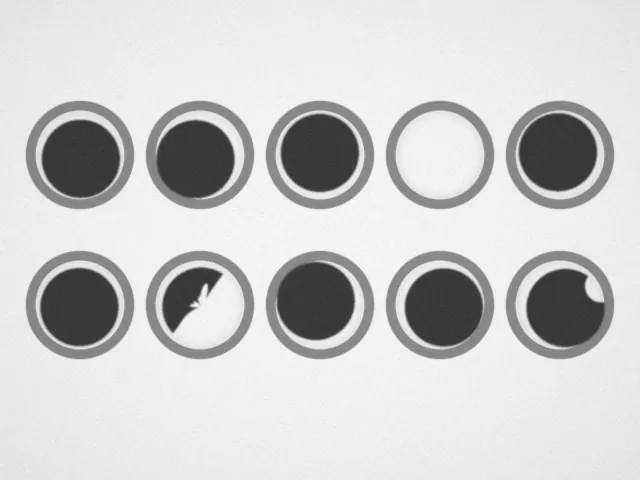
Backlight
Checking tablets in blister pockets before sealingLight the clear forming web from below with a backlight.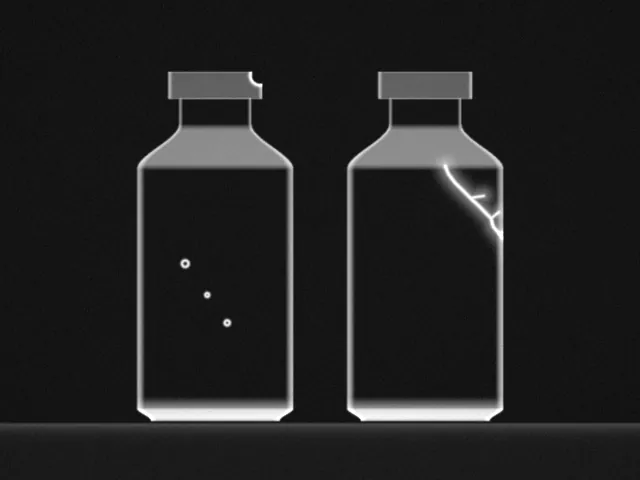
Dark field
Finding cracks and chips in glass vialsUse dark-field lighting: light the glass from a low angle against a black background.
Try it on the bench.
Pick a problem. The bench puts the part under the light that answers it; switch to the other lights to see what they do to the same part.
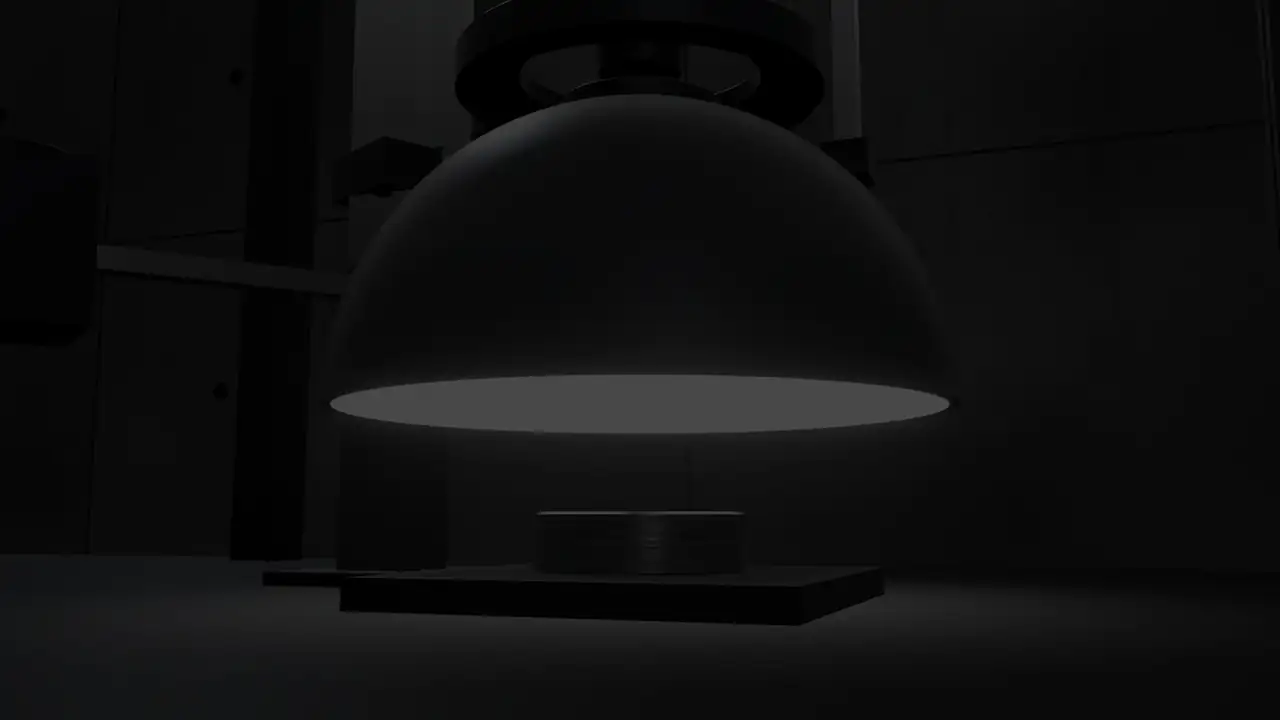
Dome
Aurora dome light
A ring light leaves hot spots on the races and the balls. A dome lights the steel from every direction, so the engraving reads as dark text on an even face.
Dark field
Saturn ring light
Peened dots are pits, not ink. Light skimming the surface misses the flat face and catches the wall of every pit.
Co-axial
Quasar co-axial light
On-axis light turns the flat face into a mirror for the camera. Anything that tilts the surface, a scratch or a dent, drops out of the reflection and shows dark.
Backlight
Nebula backlight
From behind, surface finish stops mattering. The camera sees only the outline, which is what you measure.
Backlight
Nebula backlight
A silhouette makes a missing corner obvious and easy to threshold.
Directional
Comet bar light
Tape mirrors a light above it straight back into the lens. A bar from the side sends that reflection away and lights the label underneath.
Bright field, red
Saturn ring light
Under red light, red ink reflects as much as white paper. To a mono camera the stamp vanishes and the black bars remain.
Area
Ceres area light
A broad panel at an angle covers a medium-to-large field of view without a hot centre.
Spot
Stellar spot light
A focused spot puts its whole output on one feature and leaves the rest of the scene unlit.
Dark field
Saturn ring light
A low-angle ring leaves the flat face dark. Every edge, burr and chip faces the light and shows bright.
Backlight
Nebula backlight
Over a backlight the part is a dark silhouette and every through-hole is a bright shape: count them, then measure them.
Co-axial
Quasar co-axial light
On-axis light turns the flat face into an even mirror. The laser mark scatters the light and reads dark, and the brushing marks drop out.
Tell us what you need to see.
Describe the part, the defect and the working distance. An engineer replies with the light, or designs one.